Dental Tourism Marketing: How to Attract Patients from Abroad and Earn Their Trust Before They Travel
Ahmed Naguib
Quick answer: A patient travelling for dental treatment buys certainty before price. Offer a remote consultation based on photos and X-rays, a written plan with the number of visits, how long each takes and the total cost, and an honest account of what can and can't be done during their stay. Target specific countries in your patients' language, don't compete on price alone, and plan aftercare for when they fly home before they arrive.
A patient who travels for dental treatment makes a much bigger decision than a local one. They choose a country, a city and a clinic, book flights and a hotel, and take time off work, all before setting foot in your clinic. What worries them isn't only the price but the unknowns: how many days will it take? What happens if something goes wrong after they get home? Who will look after them?
The clinics that do well here don't sell "the cheapest price". They sell clarity: a written plan before the trip, an honest timeline, a known total cost and guaranteed follow-up after they return. This guide explains how to build that, how to reach patients in their own countries, and how to avoid the mistakes that damage both the clinic's reputation and the country's.
Why dental tourism marketing is different
- The decision is made remotely: patients can't visit before deciding, so all the trust is built on screen and in conversation.
- The real cost is more than the treatment: patients count flights, accommodation, lost working days and perhaps a second trip.
- Time is limited: many treatments need stages and healing time, and patients want to know exactly what can be done during their stay.
- Aftercare is the biggest fear: what if a crown breaks or pain starts a month after they get home?
- The competition is international: patients compare countries, not clinics on the same street.
Who are dental tourism patients?
| Group | What they want | What worries them | Best message |
|---|---|---|---|
| Expats returning home on holiday | Treatment during the holiday with a dentist they trust | Is the holiday long enough? Who follows up afterwards? | Plan before the holiday, and here's what each visit can achieve |
| Patients from neighbouring countries seeking specific expertise | Specialist treatment at a reasonable cost | Quality, sterilisation and language | The dentist, their qualifications, the materials and real cases |
| Patients from high-cost countries | Comprehensive treatment at a lower total cost | Hidden costs and complications after returning | A written total cost and a clear policy on follow-up and problems |
| Patients combining travel and treatment | A comfortable trip with cosmetic treatment | Organisation, transport and appointments | A schedule that respects their time, and practical help with planning |
Build a card for each group with the free Dental Patient Persona Maker.
An honest timeline: the most important thing you offer
The most damaging mistake in dental tourism is promising to finish in days what clinically needs weeks or months. The table below is a general example of how to explain this to patients. The dentist must set the details for each case:
| Treatment | What the patient should know before travelling |
|---|---|
| Whitening, cleaning and fillings | Usually possible in one short visit |
| Veneers and crowns | Several appointments between preparation, fitting and review. The dentist and lab set the minimum stay needed |
| Dental implants | In most cases at least two trips, separated by a healing period of months, unless the dentist decides immediate loading is suitable |
| Orthodontics | Long treatment with regular follow-up, rarely suitable for travelling patients without an arrangement with a dentist at home |
Honesty here isn't a marketing loss. A patient who knows from the start that implants need two trips plans for both. One who finds out after arriving feels misled.
The remote consultation: where the relationship starts
- Ask for what you need to assess the case: clear photos of the teeth from specific angles, any recent X-rays, and the medical history and medications.
- Have the dentist speak to the patient in a short video call. Nothing builds trust at a distance more.
- Provide a written preliminary plan with a price range, the number of visits and the minimum length of each.
- Make clear the plan is preliminary and will be confirmed after a clinical exam and X-rays at the clinic, and explain what might change it.
- Protect patient data: collect photos and X-rays through a secure channel and store them in the patient's record, not on someone's personal phone.
What your international patients page must include
- The right language: a page in the language your target patients speak, not a machine translation.
- The dentist and team: accurate qualifications, the languages the team speaks and a video of the dentist.
- The journey step by step: remote consultation, plan, booking, visits, then aftercare.
- Timelines for each treatment, with the honesty described above.
- A price range in a currency the patient understands, with what the price includes.
- Your aftercare and guarantee policy: what happens if a problem appears after they return, who pays for repairs, and whether you coordinate with a dentist in their country.
- Practical arrangements: the clinic's location, nearby hotels, getting there from the airport and payment methods. For visa and entry requirements, link to official sources rather than writing them yourself.
- Reviews and cases, especially from patients who travelled, with their written consent.
- A WhatsApp button and photo upload form to start the remote consultation.
Check your site with the free Dental Website Grader.
Advertising across borders
Google Ads
- Keywords: phrases combining the treatment with your country or city, such as "dental implants Cairo" or "veneers in Egypt", in the language patients search in from their own country.
- The location setting works differently here: for local campaigns we recommend "Presence" only. For dental tourism, target the countries your patients come from, still with "Presence", because you want people in their own country searching for treatment in yours, not people already in your city.
- Negative keywords: jobs, study, work visa, free.
- Track conversions: measure remote consultation requests and WhatsApp messages, not clicks, because international clicks are often more expensive.
Facebook and Instagram
- Expats: target countries with large communities from your country, and start campaigns two or three months before holiday seasons so there's time for the remote consultation.
- Language: write ads in the audience's language, and make sure whoever answers messages speaks it.
- The offer: a remote consultation with a written plan, not a discounted price.
- Policies: the same Meta rules apply. Don't address viewers as if they have a dental problem, and check the rules on before-and-after images. Also check the medical advertising rules in the country you're targeting, as some restrict promoting treatment abroad.
Reply templates you can adapt
First message from an overseas patient:
Hello, and thank you for getting in touch. To give you a preliminary plan before you travel, we'll need clear photos of your teeth and any recent X-rays. Once we've reviewed them, Dr [name] will speak with you on a short video call. When are you planning to be here, and how many days will you stay?
"Can implants be done in a week?":
That's an important question. In most cases implants need two visits with healing time in between, though some cases suit a faster protocol depending on the bone and the situation. After reviewing your X-rays, the dentist will tell you honestly what can be done on this trip and what needs a second visit, so you can plan with full information.
Aftercare after returning home:
That's an important part of the plan. After you return, we follow up with you by [channel] at [intervals], and if a problem appears, our policy is [clinic policy]. We also recommend having a dentist at home for regular check-ups, and we'll give you a written report of your treatment so they can follow up with you.
Create your own set with the free WhatsApp Reply Generator.
Aftercare: what builds your reputation
- A written report for the patient covering the treatment, materials and X-rays, which they can give to their dentist at home.
- Scheduled remote follow-ups a week and a month after they return.
- A written policy on problems that sets out what the clinic covers and what it doesn't.
- A review request once the patient has settled and says they're happy. Reviews from international patients are the most persuasive thing for the next ones. Never offer anything in return.
Work out the real cost
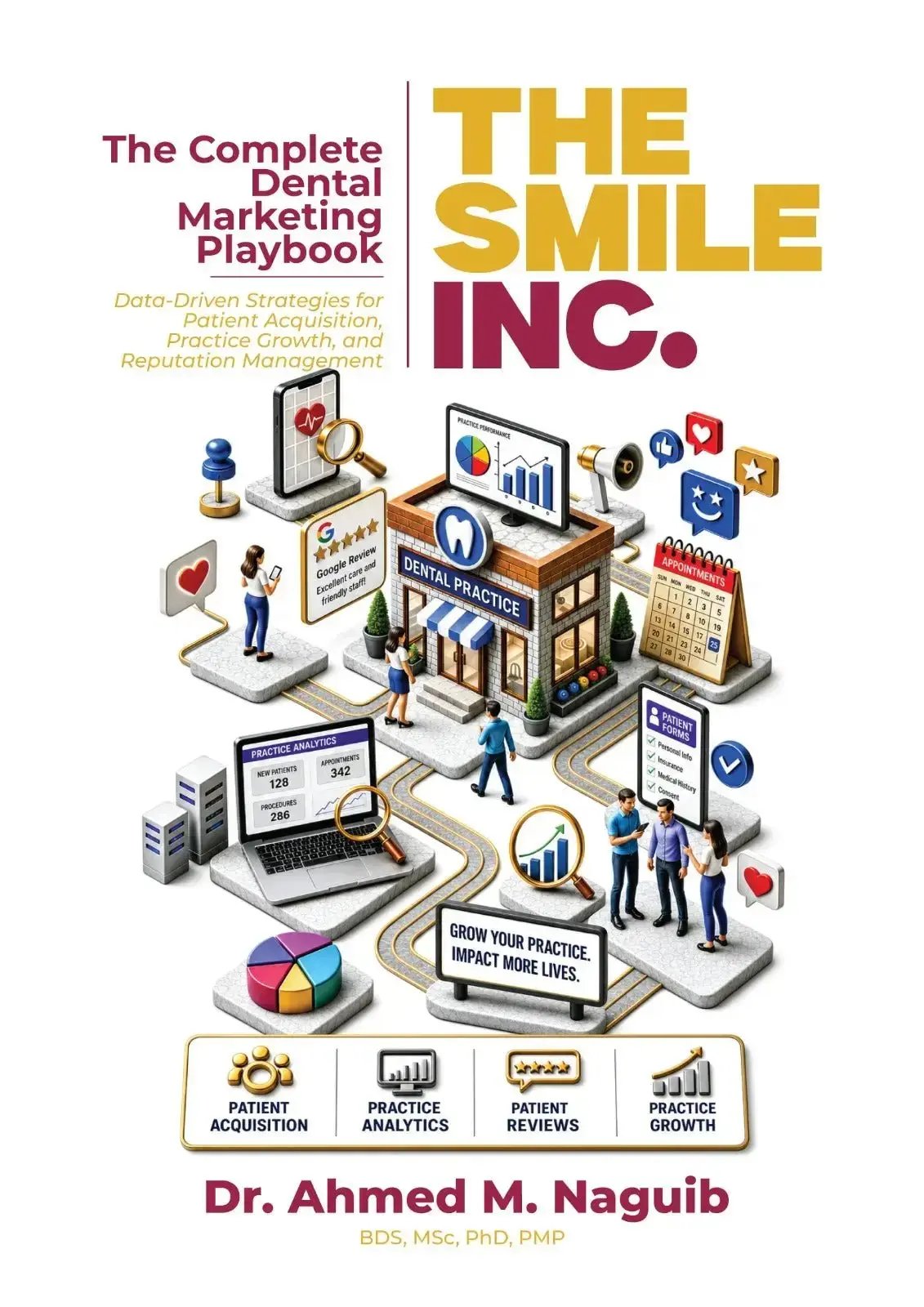
International patients cost more to acquire, because remote consultations take the dentist's time and a smaller share of enquiries actually travel. But case values are often higher. Use the framework in The Complete Dental Marketing Playbook, and include the dentist's consultation time in acquisition cost, not just ad spend.
A hypothetical example, for illustration only: an international campaign spends 3,000 in local currency and brings 60 remote consultation requests. 25 patients send photos, and 5 travel for treatment averaging 6,000 per case. Ad cost per patient is 600, or 10% of the case value, before you add the dentist's hours across 25 remote consultations. Run your own numbers in the free Dental Ad Cost per Patient Calculator.
What to avoid
- Competing on price alone. It attracts bargain hunters and links your clinic's name with lower quality.
- Unrealistic timeline promises such as "a full smile in two days" or "final implants in a week" without assessing the case.
- Hidden costs the patient discovers after arriving, in a foreign country where they can't easily walk away.
- No aftercare policy.
- Publishing patients' photos or stories without written consent, and ignoring data protection laws in the patient's own country.
- Unreliable agents: if you work with medical tourism agencies, check what they promise patients in your clinic's name, because any wrong promise counts against you.
How to measure success
| Metric | What it tells you |
|---|---|
| Remote consultation requests by country | Which markets respond? |
| Share who send photos and X-rays | Is your first reply convincing? |
| Share who travel after the consultation | Is the plan clear and reassuring? |
| Problems after returning home | Are your timelines realistic? |
| Referrals from international patients | Has the experience become a reputation? |
Frequently asked questions
Should I publish prices for international patients?
A price range matters a lot here, because patients need it to decide whether travelling makes sense at all. Publish an honest range in a currency they understand, and make clear the final price is set after the exam.
Should I offer packages with hotels and transfers?
They can be convenient, but they make you responsible for services you don't control. A simpler option is to share a list of nearby hotels and how to get to the clinic, and let patients book themselves.
Is dental tourism right for every clinic?
No. It needs a team that can reply in patients' languages, a dentist with time for remote consultations, a lab that meets deadlines and an aftercare system. Start with expats from your own country, who are the closest and easiest market.
Can you help set this up?
Yes. Start with the Clinic Marketing Audit, or book a free strategy call.
Planning to attract patients from abroad?
Book a free strategy call and we'll look at which markets suit your clinic, what your international page needs and how to run cross-border campaigns.
Sources: Google Ads Help (About advanced location options); Meta Advertising Standards (Health and wellness; Privacy violations and personal attributes); Google's review policies. Treatment timelines here are general, and the dentist sets them for each case. The numbers in this article are hypothetical examples.
Dr Ahmed M. Naguib is a dentist and Meta-certified marketer who founded The Smile Inc. to help dental clinics get more patients. See how we can work together.
Keep reading
- Dental Implant Marketing: How to Attract Implant Patients
- Cosmetic Dentistry Marketing: Whitening and Veneers
- A Dentist's Guide to Mastering Google Ads
- تسويق سياحة الأسنان (Arabic version)