Emergency Dental Marketing: How to Reach Patients in Pain at the Moment They Search
Ahmed Naguib
Quick answer: Emergency patients are won in three places: a Google Business Profile with accurate hours and a phone that is actually answered, search ads built around calls and scheduled only for the hours you can see patients, and replies within minutes, not hours. Every promise in your ads, such as "seen today", has to be true every time. Then turn the emergency visit into a relationship with a clear treatment plan and follow-up.
The emergency patient makes the fastest decision of any patient. Someone woken at night by severe pain, who has broken a front tooth or whose face is swelling, doesn't compare five clinics, read articles or wait until next week. They open their phone, search "emergency dentist near me" and call the first clinic that looks open and answers. The clinic that is there at that moment gains a patient, and sometimes a whole family for years.
Emergency marketing also carries a particular responsibility: some cases that look like "a painful tooth" need a hospital, not a clinic. This guide covers how to show up in search, how to respond, what to say and not say, and how to turn an emergency visit into a long-term relationship.
Why emergency marketing is different
- The decision takes minutes: there's no time to build trust with content, so patients choose on proximity, availability, reviews and speed of reply.
- Phone first: most emergency patients search on mobile and want to call, not fill in a form.
- Timing is everything: demand peaks in evenings, at weekends and on public holidays, when many clinics are closed.
- Every promise is tested immediately: say "seen today" and then don't answer, and you've lost the patient and probably earned a bad review.
- A door to a long relationship: many emergency patients have no regular dentist. Handled well, the first visit leads to full treatment, regular check-ups and referrals.
Safety before marketing
Before running any campaign, agree with your team what to tell patients whose situation the clinic can't handle. Swelling spreading towards the eye or neck, difficulty swallowing or breathing, high fever with swelling, bleeding that won't stop, or facial and jaw injuries after an accident should all be directed straight to the nearest hospital emergency department. Put this guidance in writing in front of everyone who answers the phone or WhatsApp, and state it clearly on your emergency page. A clinic that protects patients it can't treat earns trust no ad can buy.
What patients count as an emergency
| Situation | What the patient needs | What they need to hear from you |
|---|---|---|
| Severe toothache | Relief and a diagnosis | The earliest slot today, and what to do until they arrive |
| Broken or cracked tooth | Treatment and appearance repaired | Keep any broken piece, and an appointment soon |
| Knocked-out adult tooth | Very urgent care | Hold the tooth by the crown, not the root, keep it in milk or saline and come immediately, because the chance of saving it falls quickly over time |
| Lost filling, crown or bridge | Re-cementing or a replacement | Keep the crown, and usually an appointment within a day or two |
| Gum or facial swelling | Quick assessment | Questions about spread, fever, swallowing and breathing, and hospital if warning signs are present |
| A child's dental injury | Reassurance for parents and a quick check | What to do now, whether it's a baby or adult tooth, and the earliest slot |
Have the responsible dentist review this guidance before your team uses it, because it represents the clinic to the patient.
Google Business Profile: your real emergency front door
- Accurate hours, including special hours for holidays. A patient who calls a clinic Google says is open, then finds it closed, won't come back.
- A number that's answered during opening hours, not a landline ringing in an empty room.
- Services listed in patients' words, such as emergency dental care and toothache treatment.
- Recent photos of the entrance and frontage, so patients can find you in the evening.
- Reviews and your replies to them. A review saying "they saw me the same day" is worth more than any ad.
- Posts or updates announcing emergency hours, especially before holidays.
See the full guide in The Ultimate Google Business Profile Guide for Dentists.
Google Ads for emergencies
- Keywords: "emergency dentist" plus your area, "dentist open now", "toothache treatment", "same day dentist", "dentist near me".
- Negative keywords: home remedy, painkiller names, free, school, jobs, course.
- Ad schedule: show ads only when you can answer and see patients. An ad running at 3 a.m. while you're closed pays for clicks that won't become patients.
- Call assets: add your phone number so patients can call in one tap, and track calls, not just clicks.
- A tight radius: emergency patients don't travel far. Focus on a small area around the clinic and choose "Presence: People in or regularly in your targeted locations", as Google Ads Help explains.
- A fast landing page: if you send people to a page, make it a light emergency page that loads quickly on mobile, with call and WhatsApp buttons and the address at the top.
Facebook and Instagram: a different role
People scrolling Facebook aren't usually looking for an emergency dentist at that moment, so these platforms work by reminding people and building familiarity in advance:
- Educational posts such as "What to do if your child knocks out a tooth", which parents save and share.
- Updates about holiday and weekend hours.
- Local ads reminding nearby residents that the clinic sees urgent cases on specific days and times.
Watch Meta's personal attributes policy here too: "Suffering from toothache?" addresses the viewer as if they have a health condition and risks rejection. A safer line is: "We see urgent toothache cases daily from [time] to [time]."
The reply: where emergency patients are won or lost
Emergency patients message two or three clinics at once and go to whoever replies clearly first. So:
- Name someone responsible for replies during every opening hour, and aim to reply within minutes.
- Set up a WhatsApp Business away message for out-of-hours that gives the next opening time, the warning signs and an instruction to go to hospital if they appear.
- Ask about the problem first, not paperwork: someone in pain doesn't want to fill in a form before knowing whether you can see them.
First reply to a pain message:
Hello, and I'm sorry you're in pain. We have an appointment today at [time]. Does that work for you? So we can prepare: when did the pain start, and do you have any facial swelling or difficulty swallowing or breathing? If you do, please go straight to your nearest hospital emergency department.
A knocked-out tooth:
Please come to us now, because time matters a lot here. Hold the tooth by the white part, not the root, and don't scrub it. Put it in a cup of milk or saline and bring it with you. Our address: [address and map link].
The price question in an emergency:
An emergency consultation is [amount] and includes the examination and [X-ray, if included]. After the exam, the dentist will explain what your case needs and what it costs before any treatment starts. Your available slot today is [time].
Out-of-hours auto-reply:
Thank you for contacting [clinic name]. We're closed now and open again [day] at [time], when we'll reply straight away. If you have swelling spreading to your eye or neck, difficulty swallowing or breathing, or bleeding that won't stop, please go to your nearest hospital emergency department immediately.
Save these as quick replies, or create your own with the free WhatsApp Reply Generator, and see WhatsApp for Dental Clinics: 10 Reply Templates.
Every promise in your ads has to happen every time
- Reserve slots in the schedule for same-day cases, rather than filling it entirely with pre-booked appointments.
- Be clear about what you accept: do you see children? Is X-ray available? Is a dentist on in the evening?
- State your real hours, not vague ones. "Urgent cases seen 4–10 p.m." is more honest than "24-hour emergency" if that isn't true.
- Train the team on the replies above, the warning signs, and what to say and not say.
Do the maths: an emergency patient is worth more than one visit
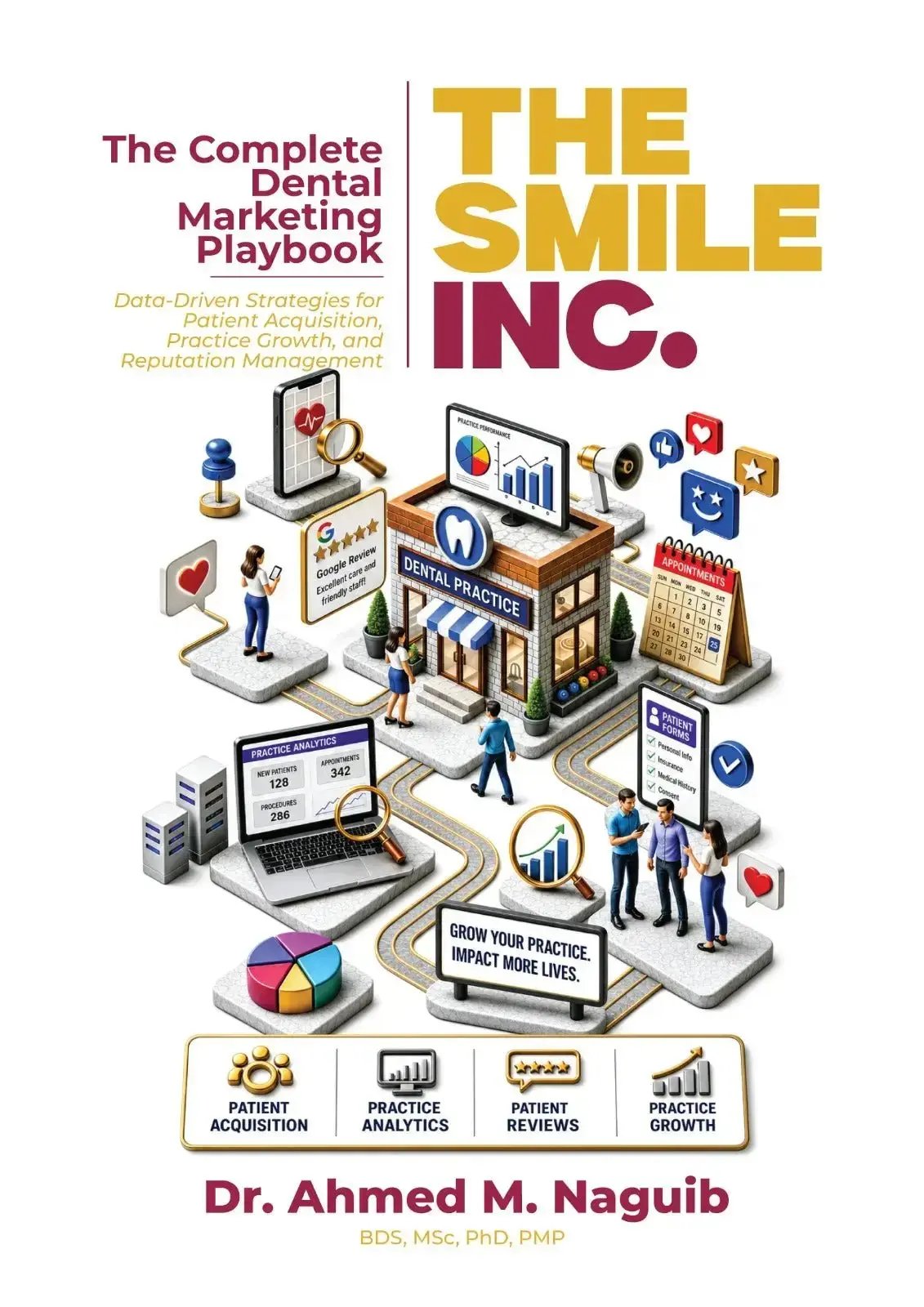
The emergency consultation alone may look low value. But emergency patients often need follow-on treatment, such as a root canal, a crown or an extraction and replacement, and may become regular patients along with their families. Work out their value using the framework in The Complete Dental Marketing Playbook: the patient's lifetime value, with maximum acquisition cost at 8 to 12% of it as a guideline.
A hypothetical example, for illustration only: a Google emergency campaign spends 600 in local currency in a month and brings 60 calls. 30 patients attend, 18 go on to complete treatment averaging 500 each, and 8 later return for regular check-ups. The cost per attending patient is 20 and per treated patient about 33, a small share of the revenue the campaign brought in. Run your own numbers in the free Dental Ad Cost per Patient Calculator.
Turn the emergency visit into a relationship
- Treat the pain first, then calmly explain the cause and the options.
- Hand over a written plan for after the emergency: what needs treating, when and at what cost.
- Book the follow-up before the patient leaves.
- Send a message the next day asking how they are. That message alone leaves an impression patients remember.
- Ask for a review once the pain has gone and the patient tells you they feel better, not while they're still in pain. Never offer anything in return, because Google's policies don't allow it.
- Remind them about check-ups after treatment ends. An emergency patient with no regular dentist can become yours.
To reduce missed follow-up appointments, see How Much Do No-Shows Cost Your Dental Practice?
What to avoid
- Promises you can't keep, such as "24-hour emergency" or "seen immediately", unless that's always true.
- Prescribing medicines or doses over WhatsApp or in ads. That's a clinical decision for the dentist once they know the patient's situation, not a job for reception.
- Exploiting pain in ads with frightening images or alarmist wording. It breaks platform policies and hurts the clinic's image.
- Slow replies. In an emergency, a late reply simply means the patient went elsewhere.
- Forgetting the patient once the pain is gone. The real opportunity starts after the first visit.
How to measure success
| Metric | What it tells you |
|---|---|
| Urgent calls and messages | Do people find you when they need you? |
| Average response time | Are you losing patients before you speak to them? |
| Share of callers who attend | Are your replies and available slots convincing? |
| Share who complete treatment after the emergency | Are you explaining the plan and booking follow-up? |
| Share who return for a check-up within a year | Did emergencies turn into relationships? |
Frequently asked questions
Do I need to open 24 hours to benefit from emergencies?
No. Set real hours for urgent cases, keep to them and publish them clearly on Google and in your ads. Evenings and weekends alone make a big difference, because many clinics are closed then.
Should I advertise the emergency consultation price?
Yes, if you can. A clear price reduces hesitation at an anxious moment. Say what it includes, and that treatment costs are confirmed after the exam.
What if a patient calls with something we can't treat?
Direct them clearly to the right place, whether that's a hospital or another specialist. Patients remember that about your clinic, and often come back later.
Can you help set this up?
Yes. Start with the Clinic Marketing Audit and I'll review your Google profile, your ads and how your team replies, or see the Google Profile and Reviews Setup service.
Want your Google profile set up properly?
We set up and tidy your Google Business Profile, hours, services and review flow, so patients searching right now can find and call you.
Sources: Google Ads Help (advanced location options, ad scheduling, call assets); Google Business Profile Help (business and special hours); Meta Advertising Standards (Privacy violations and personal attributes); Google's review policies; American Association of Endodontists guidance on knocked-out teeth. The numbers in this article are hypothetical examples, and the clinical guidance here is general and doesn't replace a dentist's assessment.
Dr Ahmed M. Naguib is a dentist and Meta-certified marketer who founded The Smile Inc. to help dental clinics get more patients. See how we can work together.
Keep reading
- The Ultimate Google Business Profile Guide for Dentists
- A Dentist's Guide to Mastering Google Ads
- Cosmetic Dentistry Marketing: Whitening and Veneers
- تسويق طوارئ الأسنان (Arabic version)